
Somaliland municipalities prepare communities for El Niño risks
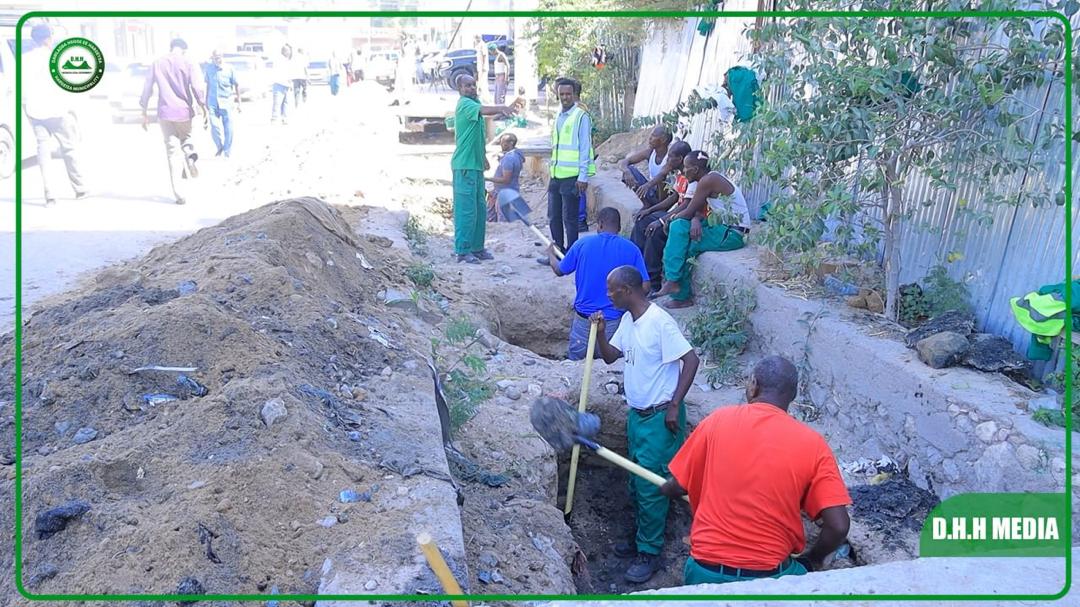
Municipalities across Somaliland are preparing for the risks of heavy rainfall and flooding linked to El Niño. With support from VNG International and partners, local governments are working to turn climate forecasts into practical measures that help protect communities before disaster strikes.
Heavy rainfall and flooding can have serious consequences for Somaliland’s communities. Roads and infrastructure may be damaged, water supplies contaminated and families forced to leave their homes. Local governments play an essential role in managing these risks.
Clear responsibilities for municipalities
At a Disaster Risk Management Conference in Hargeisa in September, mayors, national institutions, meteorological experts and development partners agreed on a joint approach to disaster preparedness. The conference resulted in a shared action plan and the establishment of a task force to coordinate preparations. The plan sets out specific responsibilities for municipalities, including mapping flood-prone areas, clearing drainage channels, identifying evacuation sites and organising community warning systems. “El Niño will not wait for us to be ready, so our municipalities cannot wait either”, said Abdirisaq Mohamed Farah, mayor of Hargeisa and chairman of Somaliland’s association of local governments (ALGASL).
Acting before risks become emergencies
The approach focuses on making climate information directly applicable to local decisions. Agreed thresholds for rainfall, water levels and disease risks will activate predefined measures. Municipalities will also supply regular local data to a shared climate-risk dashboard so national and local authorities can work from the same information. National institutions and local governments have distinct roles. NADFOR leads at national level and ALGASL links national coordination with municipalities. The Somaliland Information Management Center consolidates risk information and municipalities put preparedness measures into practice.
About the DANWADAAG programme
VNG International supports this work through DANWADAAG alongside CARE Netherlands, Free Press Unlimited and MediaINK. Together with NADFOR, ALGASL and Somaliland’s municipalities. The programme strengthens disaster risk management in Somaliland and Somalia by supporting communities, civil society and public authorities to prepare for crises together.
Read more about the conference and preparation for El Niño (pdf, 309 kB)