
Benin, Sustainable Development through Improved Local Governance
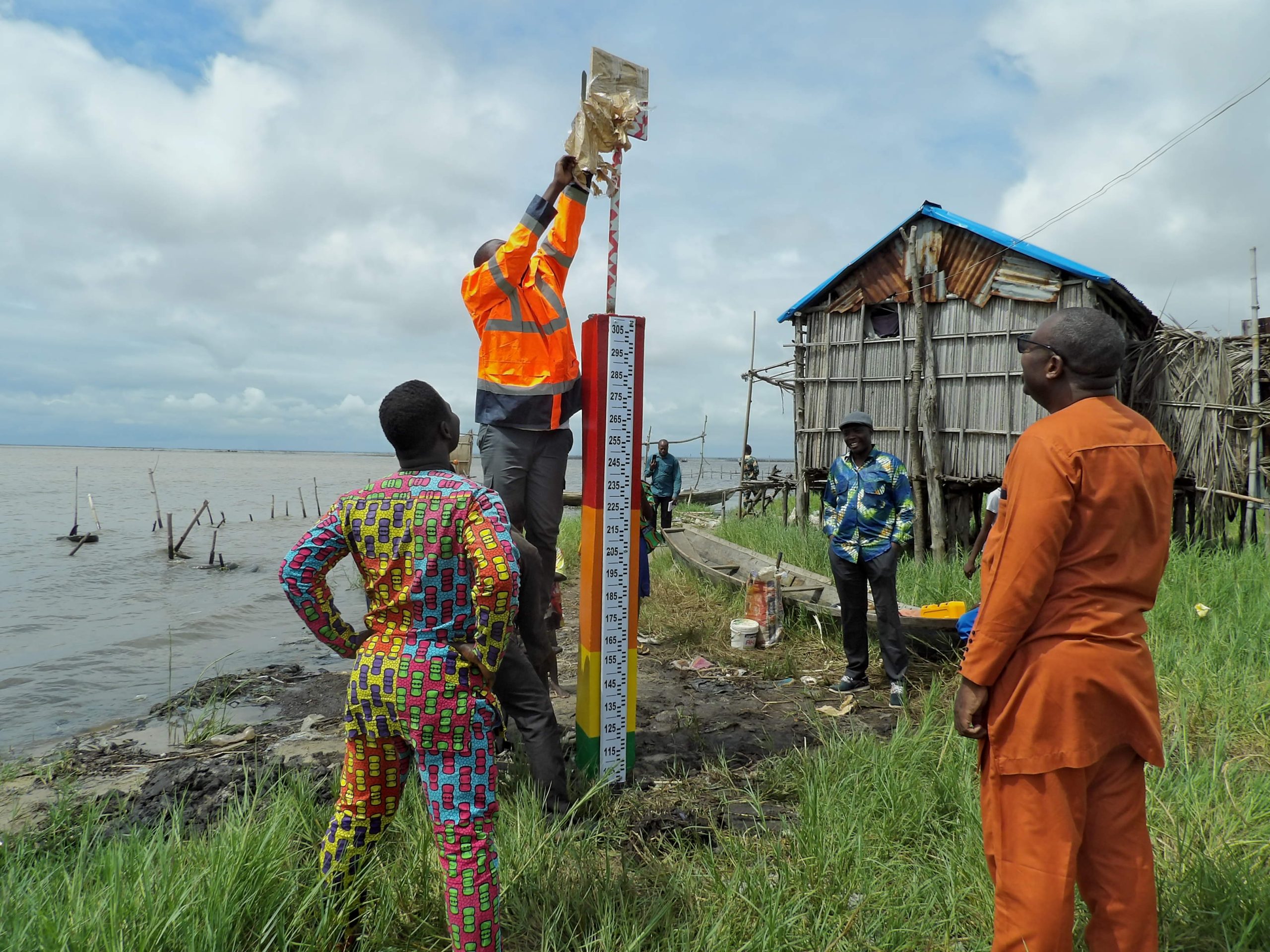
SDLG aims to help local governments in five municipalities meet their commitments and implement policies that strengthen community resilience. The focus is on areas at risk from climate change and water-related challenges, ensuring that solutions are safe and socially equitable for everyone.
Objective
The objective is to improve how water resources and related ecosystems are managed in five communes in the Lower Ouémé Valley. This supports sustainable socio-economic development.
The programme does this by strengthening the institutional framework for Integrated Water Resources Management (IWRM) and making it work effectively at the local level. It also promotes the use of the SAP-Communautaire as a practical tool for community resilience and water management. In addition, it focuses on increasing the value of water resources and ecosystems, and on sharing lessons learned and good practices.
Approach
The initiative aims to restructure and strengthen local integrated water resources management (IWRM) bodies by enhancing stakeholder engagement, capacity building, and resource mobilisation. It emphasises disaster risk reduction through gender-sensitive flood risk mapping, improved communication and alert systems, and training of local platforms and communities in response measures.
Key activities include first aid training, resilience-building workshops, and the development of local economic development strategies. The programme also promotes synergy among stakeholders and facilitates sharing best practices both locally and internationally. Additionally, it focuses on valuing water-related ecosystem products and consolidating existing pilot actions to enhance economic potential.
Results
- Local governments apply IWRM measures in a participatory way.
- Citizens actively take part in water management.
- The institutional framework for IWRM is improved and functions effectively at the local level.
- Local governments have stronger technical capacity for resilience, including through the community early warning system (C-EWS).
- Citizens benefit from functioning consultation platforms (CC-GIRE) and increased economic value from water resources and related ecosystems.